Whitewater River Rafting and Adventure Research blog at Triad River Tours. An inquiry into the state and nature of the river running industry and a guide to vacations and mountain adventures with professional guides.

Washington's Wonderful Wildflowers
Dear plant enthusiasts,
This is for you.
First of all, if this is totally your thing, download the app called Washington Wildflowers (available for iOS and Android). This app can help you identify almost every Washington wildflower you can think of, including the ones I’ll be mentioning today, which are all lining our river systems at Triad River Tours. The app was created (in association with High Country Apps) by Mark Turner and Ellen Kuhlmann, authors of Trees and Shrubs of the Pacific Northwest. This app is basically a travel field guide for all types of naturally growing plants in the Washington area. The best part? No Wi-Fi or internet access needed once it is downloaded, so you can always have access to your guide, no matter how remote your trip becomes.
Dense-Flowered Willowherb
These notched flowers range from deep purple to nearly white in color. They are easy to identify due to the veiny appearance in their petals and fuzzy leaves, which keeps insects off and prevents grazing animals from eating them. They are happiest in forested riverbanks and bloom June through August. These flowers are rarely found in home gardens, but they are fairly common out in the wild.
Trillium

There are more than three dozen types of trilliums in North America alone. One of the most common types found near our rivers are the western white trillium. These white tri-petaled flowers bloom from the end of March to the beginning of April. Along with the easy access to nearby water, they enjoy our towering douglas fir and western redcedar trees that provide a blanket of shade.
Broadleaf Lupine

While commonly misidentified as lilac, the purple bunches produce fruit, unlike their botanical doppelgangers. The legume is densely hairy, similar to the dense-flowered willowherb. Like the trillium, these flowers find comfort in the canopy of the douglas fir, following them wherever they go. It is very unique to the Pacific Northwest, due to the very specifically correct weather conditions.
This just barely scratches the surface of Washington’s wildflowers. Click the first link below for an extensive list and more info on each one. When you’re done, grab your rose colored glasses and book a whitewater rafting trip with us today to see if you can spot some of the flowers you learned about!
Sources:
https://www.fs.fed.us/database/feis/plants/forb/luplat/all.html
Read more:

Why You Should Abandon Seattle for the River this Weekend
A plea to get outside this summer
As summer rushes into full swing and the weeklong rainstorms of spring recede into gray memory, Seattle comes alive. Farmer’s markets unfold in every local park; wandering the shoreline no longer requires full rain gear; cafes spill their seating and their patrons onto sidewalks and patios, filling the sunny breeze with a joyful hum of conversation. But even as the city summer blossoms into full color there seems, to some of us, to be something missing. As wonderful as Seattle is, it is still a city; still fully civilized and full of people. If too many weekends spent in the city leaves you with an itch for something more, a feeling of straining at the bonds of steel skyscrapers and throngs of people, then it’s time to try something different. You don’t have to go far; just a couple hours outside Seattle can bring you to a different world entirely, one of whitewater and high snowy peaks and ospreys performing daring acrobatics through the spray of a standing wave.
It can bring you to the river.
Just one day on the Skykomish or the Skagit can wash away all of the pressing buzz of the city, leaving you refreshed and utterly, indescribably free. With a paddle in your hand and your phone, for once, far from your thoughts, you can simply be in the moment without worrying about a single text message or work email. You won’t need to worry about your outfit in the rapids, either; as long as you aren’t wearing cotton and you don’t mind a wetsuit you’re golden.

Just one day on the Skykomish or the Skagit can wash away all of the pressing buzz of the city, leaving you refreshed and utterly, indescribably free.
The Skykomish is a weekend escape for adrenaline junkies and those craving a bit more adventure, with Boulder Drop’s class IV+ whitewater and technical routefinding. Here the river sings with the choppy bass roar of a true cataract, plunging from the windswept heights of Skykomish Peak in a joyous tumult. The water here is turquoise where the rapids don’t run, dyed bright with glacial silt. If you want to push off the crest of a standing wave and drop past enormous boulders dropped midstream like the forgotten playthings of some mountain giant, whitewater whipping past you in a glorious shock of icy snowmelt, then the Skykomish is the river for you.
If you’re tired of the city summer but prefer your wilderness experience a bit lower-key, the Skagit River flows more gently from the heart of North Cascades National Park. As glacial-turquoise as the Skykomish, the Skagit runs through class III wavetrains scattered beneath breathtaking cliff-hung mountains. Wild as anywhere in the lower 48, this river provides the same sense of freedom as the Skykomish without the added physical and technical demands of higher-class rapids. Past the whitewater you can look up at soaring, impossible peaks carved of granite and long centuries of starlit ice, keeping an eager eye out for the bald eagles and sharp-beaked ravens that call this wilderness home.
When the city buzz starts to press too loud and too close, even in the new summer sun, and you need a weekend away, there’s no need for a foreign vacation or a long-distance road trip; just a couple hours’ drive from Seattle and you can step into another world entirely, paddling a raft down wild white water in some of the world’s most spectacular mountains. If this sounds like your kind of adventure, check out our website (www.triadrivertours.com) or give us a call at 360-510-1243.
Read more:

Risk, Whitewater Safety and Wilderness Medicine: Why Professionalism Matters on the River
A look into whitewater rafting safety protocols for whitewater rafting trips, as well as common industry medical procedures and training.
There is no such thing as a safe river.
Low-risk, yes; low-class rapids and easy eddies can be found on plenty of rivers, humming along with only the barest hidden hint of their steeper counterpart’s roaring cataracts. But all rivers, no matter how placid, remain wild. Sometimes it is easy to forget, in the slow heat of a summer’s day and the rush of a relatively tame wavetrain, the power that surges in the current beneath. On ninety-nine percent of river trips this isn’t a problem.
That last one percent is why we hire professional river guides.
Most of the work of a professional guide is behind the scenes. For an expert guide, a professional guide, this isn’t just another job; it is a craft, one that comes with a responsibility for the safety and lives of each and every guest. A professional guide will always place that responsibility above any personal gain or bottom line. They take the extra time to check river conditions and train in the latest medical protocols outside of work, running practice evacuations on the standardized evac routes on every river so they will be ready to act without hesitation in a real emergency. An expert guide makes sure they know every stretch of river they will run with guests like the back of their hand and can gauge how a rapid will change in high water or low, good weather or bad.

We hire fully trained guides to run our guests down the river. We take pride in putting safety first.
The work of a good guide starts even before the first put-in of the rafting season, though. Months or years of training in swiftwater rescue, wilderness medicine and reading water lead to that single moment, when the raft is pushed into the water and the shore recedes in a rush of whitewater. Work doesn’t end when the river trip does, either; there is the daily debrief to discuss what went well and what could be improved, new river reports to be read, and even updates to the latest swiftwater rescue and cold-water medicine protocols to be analyzed and implemented. It is this extra time and effort that distinguishes the professional guide from the merely employed.
Here at Triad River Tours we only hire professional guides. Every guide at Triad is trained in the newest, safest river rescue protocols by the Swiftwater Safety Institute, and is kept up to date on cold-water rescue protocols and new river safety studies through the online company manual. Most Triad guides have advanced medical certification—Wilderness First Responder or EMT—and all Triad guides are certified in basic first aid. We test all of our safety gear to the highest industry standards and test both it and ourselves through practice evacuation and recovery scenarios throughout the season. Our evacuation routes and medical protocols, followed by every employee on the river, are based on the standards set by Remote Medical International. We go that extra mile that defines the professional guide and the professional guiding company in every aspect of our river trips.
Ninety-nine percent of rafting trips won’t require an evacuation, a whitewater rescue or a medical response, due in large part to the skill and pre-trip work of expert guides. But when you find yourself in that last one percent—when the river decides its time to remind you that no matter how close or far you are from home you are in the wilderness, and that wilderness is dangerous by its very nature—you want your boat in the hands of a true professional, a guide who puts their responsibility for the safety of their guests above all else.
That’s why Triad River Tours trains for that last one percent.
Read more:
River Rescue Throw Bags, Ropes, and Static Lines

A Short and Somewhat Biased Guide to the Best River Rocks
A look into river rafting geology and our favorite river rocks.
As a geologist, I have spent a lot more time than most people thinking about rocks. It doesn’t end there, of course—I’ve also spent more time than most people looking at, poking, drawing, and even licking rocks (it’s a test for halite and silt. Don’t ask). Naturally, as soon as I’m out on one of the boulder-dappled whitewater rivers of Washington’s Cascades I find myself riffling through the pebbly put-in beach for new samples and checking for fracture patterns in the cliffs above the rapids. Throughout the years—and the whitewater rivers—I’ve picked up a few favorites. If you, too, find yourself drawn to the fancy new rocks at the riverside, then here is the list for you—a few of my favorite rocks spotted in or near Washington’s whitewater rivers.
1. Granite
It’s intrusive, it’s igneous, and it’s sparkly. Keep an eye out for this quartz-heavy mountain builder towards the Cascades core on rivers like the Skagit.
2. Schist

Also sparkly, but in wavy patterns. Those patterns are actually created by linearly aligned mica crystals that have been folded through heat and pressure deep underground. This rock doesn’t tend to build mid-whitewater boulders like granite, but some can be found up north by Mount Shuksan and the Nooksack River.
3. Gneiss
A tough, highly resistant metamorphic rock, gneiss is a great bedrock for the kind of narrow river channels that form great whitewater rafting runs. Gneiss is easily identified by its highly twisted bands of different rock types. Smooth rather than shiny, it might beat out schist for most interesting rock patterns. Sometimes a clear band pattern in gneiss can even show you what direction the metamorphic pressure that formed it came from.
4. Conglomerate
Last but not least is conglomerate—the only sedimentary rock on the list. Many conglomerates near Washington’s whitewater rivers look more like a solidified pile of landslide debris than a rock. A lot of these are solidified debris piles, but most of them have a far more interesting source than landslides. As the enormous ice sheets of the last ice age retreated they dropped the accumulated dust, gravel and boulders of decades wherever the melt freed it, forming large piles of rocky debris that slowly solidified into conglomerate. Most conglomerate is relatively soft and can be found at the edges of river pools and broad eddies rather than in the middle of the whitewater.
If you’d like to hear about more rocks, debate which river rocks are truly the best, or ignore every boulder in sight while running whitewater wave-trains, book with Triad River Tours today!
Read more:

River Otters: The Friendly River Runners
A look at one of our furry friends that we commonly see while rafting the rivers of Western Washington; the river otter.
Halfway down the peaceful Skagit River, a sudden splash tugs your attention shoreward Is it a bear? Another raft? Will you finally get proof that sasquatch is real? You scan the shoreline, adrenaline racing, and finally spot the culprits: a pair of river otters bobbing gently up and down. These playful otters find their home in our calmer rivers, and can put on quite the show for our rafters.

River Otters are semi-aquatic. This means that they can thrive both in and out of water. While their main food source, fish, lives in the water, they prefer to live in tunnels underground with many pathways, some leading to exits above ground, and others leading directly into the river. This diverse combination has given them some very unique characteristics. Despite needing air to breathe, they have the ability to survive underwater for eight minutes straight! Their nostrils have evolved to completely shut on command to keep the water out of their lungs. Their webbed feet help them swim quickly and efficiently in the water, and help them move swiftly on land as well. Their silky coats serve a dual purpose, keeping them warm in the year-round chill of our mountain riversand providing a smooth surface perfect for sliding down snow banks or muddy shores.
You are most likely to catch them hunting in the evening, when their prey is abundant and available and they feel safe from predators. Though river otters are social animals, they are most often sighted on their own or with their partner rather than in large groups. Though sightings in the mountains near Seattle are rare, they are not unheard of; the Sauk and Snoqualmie rivers are the farthest from civilization and probably your best bet for an otter sighting. Be on the lookout near the riverbanks and small puddles lining the river.
While these cute critters can seem playful with each other, they do not always react well to humans. If you find you find yourself near a river otter, please do not try to interact with it. They are wild animals no matter how cute they are, and should be treated with appropriate caution. Enjoy the gentle atmosphere they provide, and watch from the safety of your raft.
To try your luck at catching a glimpse of the North American River Otter, book a whitewater rafting trip with Triad River Tours today!
Sources:
https://www.nationalgeographic.com/animals/mammals/n/north-american-river-otter/
https://nationalzoo.si.edu/animals/north-american-river-otter
https://wdfw.wa.gov/species-habitats/species/aplodontia-rufa#living
https://www.nwf.org/Educational-Resources/Wildlife-Guide/Mammals/North-American-River-Otter
Read more:

What Should You Bring Rafting?
A look into the gear list of a casual whitewater river rafting trip

What Should You Bring Rafting?
The second step in every trip—right after signing up—is the packing list. Some people are naturals at this step, with a whole notebook of equipment lists for every type of trip you can think of. Others find themselves launched into immediate blind panic as soon as the packing pressure is on. But whether you fall into the first category or the second, don’t worry—we’ve got some tips for the pros and a nice easy list for those who find equipping themselves correctly for their trip to be more of a challenge.
1. Base layers (not cotton)
Every citizen of Seattle knows that our weather can be unpredictable at the best of times—and when it’s predictable, it’s just raining. Make sure to bring some wool or synthetic underlayers on your Washington river rafting trip, especially if it’s early in the season.
2. Foot protection
Sandals (outdoor and ready for water), old tennis shoes or rafting booties are all great options for foot protection. Washington rivers, especially those best for rafting, tend to have rocky beds and beaches; sharp rocks are not kind to bare feet.
3. Warm Socks
Wool socks might be the best things ever invented. I bring them on every single trip, with an extra pair in my car for once I’m off the river. Synthetic socks work too, for on the water or afterwards—sometimes a nice, clean pair of socks that will keep even wet feet warm is the nearest thing to nirvana after a river rafting trip.
4. Extra layers
It can get cold out in the mountains. Triad River Tours provides wetsuits for rent on all of our river trips, but if it’s especially chilly you might want a fleece or a pair of rain pants over your first layer. These can be nice for after the trip too. Paddling will keep you warm on the river, but as soon as you stop moving you can cool off very quickly. Having a coat to throw on as soon as you reach your car is a great idea.
5. Food and water
River rafting leaves paddlers pretty hungry. Pack a lunch and a full waterbottle to leave in your car for after your trip if you have a morning run down the river, or eat a bit before your scheduled put-in if you have an afternoon trip.
Now that you have an equipment list in hand, you’re ready to head down the river with Triad River Tours! If you have any more questions about what to bring on your Washington whitewater rafting trip, check out the packing lists for each trip on our website or call our office. Happy rafting!
Read more:

Great Seattle Day Trips: Whitewater Rafting
The best whitewater rafting day trips near Seattle Washington, from class 3 to class 5.
Everyone needs to run away to the mountains once in a while.
There are a lot of wonderful things about living in the city—great concerts, easy access to grocery shopping, wifi—but every now and then all of us find ourselves itching to take a break. In Washington, and especially in Seattle, it’s easy to find a patch of wilderness to run to for however long your employment and family can spare you. But what to do with your day of freedom?

Escape the hectic city living and see what the PNW’s wild side has to offer through a river rafting trip.
If you’re looking for a quick getaway less than two hours from Seattle, there’s an easy and exciting answer: whitewater river rafting! Not only will you visit the wilderness on your rafting trip, you will be a part of it—riding every rapid, feeling the strength of the river against your paddle, and reveling in the sharp sting of glacial meltwater against your face as you soar through a standing wave. If you want your wilderness with a shot of adrenaline, try the wild and scenic river rafting just outside the steel forests of Seattle.
There are many great options for rafting near Seattle with Triad River Tours. If you’re looking for a gentler introduction to the world of whitewater rafting, try the Skagit River. The Skagit dips in rolling wave-trains between old-growth cedars and towering firs at the edge of North Cascades National Park. Eagles often linger between the branches above your raft here, waiting for the quicksilver glimmer of a fish through the icy water. If you’re hoping for a bit more of a challenge the Sauk River, only seventy-five miles from Seattle, is ready to give you the ride of your life. The Sauk is an absolutely beautiful stretch of whitewater, with a surprisingly changeable personality as it flows from spring high water rafting to the technical routefinding of late August. There is no doubt that the Sauk is truly a wilderness river; black bears occasionally wander through the parking lot for the put-in. If you’re hoping for a day trip full of continuous whitewater and a rafting story that includes rapid names like “jaws” and “demon seed,” come join us on the Sauk.
Another great option from Triad River Tours’ guided rafting trips is the Skykomish River. With a dozen class 3 to class 5 rapids over seven miles, the Skykomish is a thrill-packed descent through some of Washington’s best whitewater. Whitewater rafting on the Skykomish requires physical fitness, intense focus and an appetite for adventure; this is not a river for the faint of heart. If the class 4 wildness of “Boulder Drop” is calling your name and you’re ready to meet a true class 4-5 river, call us up for a Skykomish trip.
If you’ve gotten that wilderness itch and need a great day away from the city, the whitewater river s of Washington can give you the perfect day trip.
Read more:
Why You Should Abandon Seattle for the River this Weekend
It's Time to Enjoy This Summer: 3 Great Outdoor Activities to Try

Four Ways to Make Coffee While You’re on the River | Blog
Embarking on a river rafting adventure doesn’t mean you have to give up your caffeine fix. Learn about four ways to make coffee while you’re on the river.

If you’ve ever met a guide—river rafting or otherwise—you probably know that a lot of us run on caffeine. In the Pacific Northwest, where most people could just list their blood type as “coffee,” we’ve learned to get pretty creative when it comes to getting our coffee fix, even miles down a wilderness river. If you’re headed out on a Seattle whitewater rafting trip, commercial or personal, and worried about missing out on your morning caffeine buzz, never fear: here’s four ways to make coffee while you’re out on the river.
1. Espresso
For those invested as much in the quality of their coffee as the quantity, there is the backcountry espresso maker. Yes, they really do exist. Designs range from a more traditional-looking kettle and spout made to fit on a single-canister backpacking stove to a hand-press tube, but all of them ensure a nice shot of espresso that will keep even the most discerning coffee aficionados happy.
2. French Press
Still fancier than most backcountry setups you’ll encounter, the backcountry French press is lightweight, portable and provides a decent brew for those who aren’t quite at the espresso-maker commitment level. You have to carry in a fair amount of ground coffee for this one; just make sure your grounds are in a waterproof bag.
3. Instant
For minimal time and maximum caffeine, there is instant coffee. Much more palatable than the first instant coffees (popular mostly among soldiers in the World Wars, where no one cared much what it tasted like if it was hot and caffeinated), today’s instant brews taste almost like real coffee and deliver just as much of a caffeine kick. Just boil some water and stir in the coffee and you’re ready to face the day. In truly desperate times you can skip the hot water and just dump the instant coffee into your food—or straight into your mouth—but I can’t say that’s recommended.
4. Classic camp coffee
Classic camp coffee, or “cowboy coffee,” doesn’t require any special equipment. Just heat some water in your regular cooking pot, stir in your desired amount of ground coffee, and wait for it to settle. While it may not pass muster for all coffee drinkers—especially those more accustomed to the Pacific Northwest’s artisanal coffee scene—it’s hot, it’s caffeinated, and it’s been the standby of wilderness-bound coffee drinkers for centuries.
You’ll need plenty of energy for whitewater rafting in Seattle and the surrounding areas, and these methods of coffee-making give you plenty of options to get your fix while you’re on the river.
Read more:

What Are Wilderness Ethics? | Triad River Tours Blog
Wilderness ethics are an important facet of any outdoor adventure. Learn the “Leave No Trace” concept and other ethical practices to employ during your trip.
It is easy to think of wilderness as untouchable; inviolate and remote, far removed from the buzz of construction and expansion that rings every city. That is part of why we seek the wilderness, after all, to escape the press of civilization and step back into nature. But the areas we call “wilderness” are in truth far more fragile than they first appear. Every ecosystem is a delicate balance built up over millennia; a single misstep, a single lost species, can tip that balance into a swift decline. Too many travelers, no matter how much they love the wild places they visit, can contribute to that decline if they are not careful.
This is where the practice known as “wilderness ethics” steps in. It is not an attempt to keep people out; everyone should have access to our rivers, mountains and deserts, and be able to find peace in those places. The practice of wilderness ethics seeks instead to find a way for visitors to lessen their impact, leaving the wilderness intact so that future travelers can experience the same beauty and wildness that they did. Wilderness ethics are crucial for wilderness adventures in the Pacific Northwest and beyond.

The practice of wilderness ethics seeks to find a way for visitors to lessen their impact, leaving the wilderness intact so that future travelers can experience the same beauty and wildness that they did.
Just like most of the people who spend a lot of time in wild places, wilderness ethics focuses “more on attitude and awareness than rules and regulations.” It is a philosophy of preservation, aiming to keep the wilderness from being destroyed by those who love it. This is not to say that there are no rules and regulations. Many designated wilderness areas and National Forests have guidelines for how far from trails you can camp, how near streams wash water can be dumped, and where fires are allowed. But wilderness ethics is still at its heart an individual philosophy, and every traveler is free to decide for themselves what their wilderness ethics will be.
Perhaps the most well-known and widely followed philosophy of wilderness ethics is Leave No Trace. This set of seven principles is recommended by the National Park Service as the best way to enjoy a trip through the wilderness while still leaving it intact for future visitors, and is taught by NOLS and the American Alpine Institute as well as many other outdoor education groups. The Leave No Trace principles are based on scientific research as well as “a respect for nature and other visitors,” and are widely practiced by wilderness travelers throughout the United States. The seven principles of Leave No Trace are:
1. Plan ahead and prepare
2. Travel and camp on durable surfaces
3. Dispose of waste properly
4. Leave what you find
5. Minimize campfire impacts
6. Respect wildlife
7. Be considerate of other visitors
Most are self-explanatory, and describe practices already followed by most experienced backpackers, climbers and whitewater rafters. Simple and easy to remember, the Leave No Trace wilderness ethics philosophy nonetheless does a good job of outlining how to enjoy a trip in our wild places while leaving them intact for other travelers.
The practice of wilderness ethics, while deeply individual, is also a community effort; a way to keep the wilderness wild, to ensure that others can experience the natural beauty that brings us such joy. Whether through Leave No Trace or another philosophy, wilderness ethics really seeks one thing: to experience the wild areas of our world without destroying them, that they may remain open to all. Make sure to think of others during your next wilderness adventure in the Pacific Northwest or wherever your travels take you.
Sources and Further Reading:
“Wilderness Ethics,” National Park Service
https://www.nps.gov/subjects/wilderness/ethics.htm
“Wilderness Ethics and Etiquette,” US Forest Service https://www.fs.usda.gov/Internet/FSE_DOCUMENTS/fsbdev3_058507.pdf
“Seven Principles Overview,” Leave No Trace
https://lnt.org/learn/7-principles
Read more:
Stewardship and the Recreation Community: Giving Back to the River

Quick Tips for Sasquatch Chasing | Triad River Tours Blog
Rumors of the legendary Sasquatch have become commonplace in the Pacific Northwest. Many campers, hikers, and rafters seek out the dwelling places of “Big Foot”. Learn about some tips to help aid in your search for this elusive creature from the professional Squatchologists at Triad River Tours.
The legend of Sasquatch has become an integral part of the Pacific Northwest mythos, as ubiquitous as rain and coffee. Despite hundreds of tracks and dozens of sightings recorded in the moss-hung forests of the Cascade Mountains, this local legend remains elusive; no definitive proof of Sasquatch’s existence has ever been found, though multiple dedicated research groups and dozens of recreational searchers still hold out hope. With the right preparation, Sasquatch chasing can be a fun Pacific Northwest adventure that’s entertaining for the whole family.

Despite hundreds of tracks and dozens of sightings recorded in the moss-hung forests of the Cascade Mountains, this local legend remains elusive.
The name Sasquatch is derived from the Salish “se’sxac,” or “wild men.” Long before European settlers stepped onto Washington’s cliff-hung shores, the Native American tribes in this region told legends of an ape-man roaming the forest. In the eighteenth century, stories of Sasquatch sightings began circling among the European immigrants as well. Sasquatch is generally believed to be a primate that walks erect on two feet, ranging from 6- to 15-feet tall and completely covered in dark brown or reddish hair. Sasquatch footprints up to 24 inches in length and 8 inches in width have been found in northwest forests. Sasquatches generally move silently. They’re also often described as foul smelling—so be sure to take note of any strange scents during your adventure in the Pacific Northwest.
If you’re thinking of joining the many hikers and research enthusiasts spending a weekend in the woods in pursuit of this legendary cryptid, take note of these quick tips:
· Do your homework. Check into sightings and encounters reported in the area you’re visiting. This will help give you a better idea of both where to look and what to look for.
· Learn which tracks and signs indicate a Sasquatch in the area. Check out a local or national research group, like the ones linked to below, for more details.
· Bring equipment to document your finds. Add a camera to your bag if you’re just out for a quick search. The more dedicated lug audio and video equipment with them into the mountains.
· Put together a team. Even just one other person helps you cover a lot more ground in your search.
· Always tell someone where you’re going and when. Safety is just as important in a Sasquatch search as any other backcountry trip.
· Respect wilderness and property regulations. Leave No Trace, wilderness area laws and trespassing laws don’t stop for Sasquatch.
· Fall is the best time to look for Sasquatch. Sasquatches are believed to be more active when the annual salmon runs come back to northwest rivers.
· Do no harm. It’s illegal to harm or kill a Sasquatch in two Washington counties, and frowned upon in the rest.
· Have fun! Don’t get so deep in your research that you aren’t having fun in the woods. Bring a friend, bring your camera, and join the search for Sasquatch!
Read more:
It's Time to Enjoy This Summer: 3 Great Outdoor Activities to Try
Five Things You’ll Find on a PNW Whitewater Rafting Trip

What Wildlife Will You See While Rafting? | Triad River Tours
No matter if you’re relaxing on the lower Skagit or whitewater rafting on the Sauk, there’s plenty of wildlife to see in Washington. Read our blog to learn more.
One of the best ways to experience the Cascades is by river, whether floating peacefully down the lower Skagit or punching through the rapids of the Sauk. While river rafting in Washington, you might encounter some of the native wildlife—elusive animals emerging from the forest, darting through the sky above, or swimming the snowmelt-fed waters beneath your raft. But what kind of wildlife are you going to see?

River otters are very friendly with one another, but not so much with outsiders.
One of the most common—and least shy—wild animals in western Washington is the black-tailed deer, a subspecies of mule deer with a dark tail. These ungulates, or hoofed mammals, have four stomachs to digest their food and eat mostly the growing tips of trees and bushes. Many of them live in the Cascade Mountains and their foothills, migrating to lower elevations in the winter. More rarely you might glimpse one of their predators, the black bear. These bears, which actually range in color from black to dark brown to white, are extremely good tree climbers. They are omnivores, with a wide-ranging diet that includes, grasses, roots, berries, and fish as well as small mammals. Another predator you might encounter is the river otter. These mostly aquatic mammals have long, sleek bodies and short legs that end in webbed toes, and are covered in thick brown fur. Adult males usually weigh between twenty and twenty-eight pounds. River otters, while fairly common, are rarely seen. They range from the coast to mountain rivers; in colder months they stick to ice-free areas like waterfalls and rapids. They avoid polluted waterways, so you are far more likely to see one on a designated wild and scenic river like the Snoqualmie and the Skagit. River otters eat mostly fish and digest their food so quickly that it leaves their intestine within an hour!
If you take the time to look up while river rafting in the Cascades you are likely to spot America’s national emblem, the Bald Eagle. These large raptors can have a wingspan of up to seven and a half feet! Listed as threatened by the Endangered Species Act, Bald Eagles are actually quite numerous in the Cascades. During the winter many Bald Eagles come to the Skagit River to feed on the spawning salmon; this gathering is one of the largest wintering concentrations of Bald Eagles in the continental United States. Over two hundred other species of birds also call these mountains home.
If you’re lucky, your Washington river rafting trip may pass over the most iconic fish in the northwest: the salmon. After spending most of their life in the ocean, these amazing fish return to the stream in which they were born to lay their eggs, making the arduous journey upstream to spawn and then die. The Skagit watershed is the only watershed in the continental United States to support runs of all five Pacific salmon species—Chinook, Coho (King), Chum, Pink, and Sockeye! Thousands of these salmon make their way to the rivers of the Cascade Mountains every autumn, drawing hungry eagles with them.
River rafting is a great way to see Washington’s native wildlife. How many animals will you see on your trip?
Read more:
River Otters: The Friendly River Runners

Six Things I Learned From the River
River guiding was my first job out of high school. I started as an intern right here at Triad River Tours, running shuttle and evac routes and cleaning gear; then with training and experience I made the move from intern to guide. Whitewater rafting every weekend while my friends worked office jobs, I learned how to swim rapids and avoid strainers, finding a new perspective on the mountains I’d known my entire life
River guiding was my first job out of high school. I started as an intern right here at Triad River Tours, running shuttle and evac routes and cleaning gear; then with training and experience I made the move from intern to guide. Whitewater rafting every weekend while my friends worked office jobs, I learned how to swim rapids and avoid strainers, finding a new perspective on the mountains I’d known my entire life. The lessons I learned on those first rivers, and on many others since, aren’t limited to esoteric rafting knowledge; they carry over into life on and off the river, in the mountains and in the city.
1. Slow is smooth, smooth is fast.
In a fast-paced adventure sport like whitewater rafting there are a lot of split-second decisions. You need to be quick off the put-in and just as quick at the take out, handling any surprises that come up before they have time to become an emergency. In such an environment it’s easy to rush, but running frantically for the next step only leads to mistakes; you need to be smooth and deliberate in your actions. When you stop rushing and instead perform each step with deliberate purpose you will find your rafting running smoothly. When you do everything smoothly and correctly the first time you move faster than you ever could in a stressful rush; “smooth is fast”. It’s a lesson that works just as well in day-to-day errands, school and the workplace as it does on the river.
2. Quickly changing in and out of wetsuits is a surprisingly valuable life skill.
I’m not sure I’ve seen anyone as impressed as my instructor on a recent surf trip when I went from jeans and fleece to a full coldwater wetsuit in less than two minutes.
3. Prepare for everything.

The lessons I learned on those first rivers, and on many others since, aren’t limited to esoteric rafting knowledge; they carry over into life on and off the river, in the mountains and in the city.
I’ve been working as a professional guide since I was eighteen, and I carry safety gear and the ten essentials on every trip—even personal ones. My full first aid kit lives in my daypack, but I have smaller ones in my car, mountain biking pack and travel purse. I know where the nearest medical centers are, the easiest ways out of whatever backcountry location I’m headed to, and the hazards most often encountered in my trip location. Though some might call this level of preparation overkill, I’ve been grateful for it more than once; I’ve handled emergencies on both personal and guided trips that would have gone much worse if I hadn’t done my homework and packed extra safety gear.
4. Living with less isn’t always a bad thing.
Turns out a backpack of clothes and gear, a few books and a car long enough to sleep in is all I really need.
5. Sunrise is worth it.
My first summer on the river I got up at 4:30 am every Saturday to make sure I’d be ready to hit the river on time, and discovered how incredible watching the sunrise can be. There’s something magical about it no matter where you are—mountains, riverside, the town you grew up in. Watching the dawn light spill golden and lavender over the rolling green horizon of the North Cascade foothills has no equal. The early wake-up time and occasional missed sleep that serve as the price of admission are absolutely worth it.
6. Nose up, toes up.
No one wants a foot entrapment, and breathing is pretty great too. First lesson of swimming rapids; keep your toes at the surface and your nose above water.
Read more:

Five Things You’ll Find on a PNW Whitewater Rafting Trip
Here in the PNW—land of rivers and untrammeled nature, birthplace of REI, and home of some of the country’s best whitewater—every adventure is unique. There is nowhere else in the world with our outdoor culture and easy access to rainforests, rivers and glaciers, especially just a few miles outside a world-class city like Seattle. This mix makes for river adventures unlike any other. Our whitewater and our locals both have their quirks, but that’s what makes these trips so memorable—you just can’t get this anywhere else.
Here in the PNW—land of rivers and untrammeled nature, birthplace of REI, and home of some of the country’s best whitewater—every adventure is unique. There is nowhere else in the world with our outdoor culture and easy access to rainforests, rivers and glaciers, especially just a few miles outside a world-class city like Seattle. This mix makes for river adventures unlike any other. Our whitewater and our locals both have their quirks, but that’s what makes these trips so memorable—you just can’t get this anywhere else.
1. Wildlife

There are countless forms of wildlife in the PNW
Wildlife in Washington ranges from the somewhat mundane to the utterly wild; out on our wilderness rivers you have a good chance of seeing both. Ravens, red-tailed hawks and bald eagles frequent the towering firs and cedars near whitewater, sometimes accompanied by barred owls. Deer and elk pick their own trails through the mossy banks. If you’re really lucky you might even see a black bear or a bobcat, two of the apex predators of the North Cascades ecosystem.
2. Coffee
If rivers are the lifeblood of forests, then coffee is the lifeblood of those who raft them, at least in Washington. The PNW just might be the most caffeinated place in the US, and river runners are no exception. Almost everyone rolls up to the put-in with coffee in hand—take out cup, thermos, camp mug, whatever gets the job done. For the truly discerning (and caffeine dependent), a backcountry French press ensures fresh coffee even riverside in the wilderness.
3. Fleece
As a river rafter and adventurer born and raised in the PNW, I proudly own more fleeces than there are days of the week. In western Washington’s wet and rainy climate, warm-even-when-soaked fleece reigns supreme; brand new and shiny fleeces, lightweight fleeces, heavy winter fleeces, vintage hipster fleeces, mudstained fleeces pulled out of the bargain bin of the local outdoors store. If most of the people on your whitewater rafting trip don’t have at least one fleece shoved in their backpacks, you probably aren’t in Washington.
4. Cedar
No tree represents the rain-soaked, moss-hung forests of the PNW like the Western Red Cedar. Much like the locals here, it thrives beside the rivers and streams woven through the mountains, stretching hundreds of feet into the sky. Apart from their aesthetic appeal—and unique, wonderful smell—these trees provide a home for many species of birds and bugs, and even a growing platform for ferns and small bushes. In a pinch the bark can be made into water-resistant clothing.
5. Huckleberries
If you hit the season right you might get a chance to sample one of the true gourmet delights of the PNW. But it’s not a fancy restaurant in Seattle; it’s huckleberries right from the bush, ripe and bursting with flavor. Huckleberry bushes also like the damp ground beside PNW rivers, often growing abundantly between the cedars. Make sure you’re with someone who knows their foraging, though; some similar berries found in Washington forests can be poisonous.
Read more:

What is the Trails Stewardship Act, and Why Does it Matter?
The Trail Stewardship Act addresses a serious trail maintenance problem in the Forest Service with community-based solutions, creating a path for those who love the wilderness accessed through USFS infrastructure to give back to the trails and sites that their adventures rely on.
As of 2013, only a quarter of US Forest Service trails were considered up to agency maintenance standards. A 314-million-dollar backlog in trail maintenance work left little hope for any increase in that number in the near future; there was little money in the already tight federal budget for the Forest Service, and what there was had to be carefully allocated. Though the Forest Service’s systems of trails drew in locals and visitors alike—along with their tourism dollars—the trails were falling more and more into disrepair.
The National Forest System Trails Stewardship Act was conceived as a solution to these issues. Signed into law in November of 2016, it outlines a plan to increase the role of volunteers, partners, and outfitting and guide companies in the maintenance of the USFS trail system. The strategy for chipping away at the enormous maintenance backlog includes designating priority areas within the USFS system in greater need of maintenance and increasing the number of volunteers doing trail work. These methods would increase trail maintenance without increasing the budget, a win-win for the Forest Service.

The Trails Stewardship Act outlines a plan to increase the role of volunteers, partners, and outfitting and guide companies in the maintenance of the USFS trail system.
Unmaintained trails are more than just an irritation—they can be a hazard. The overview of the Trail Stewardship Act itself describes how unmaintained trails “threaten access to public lands [and] cause increased environmental damage” as well as “threaten public safety.” Here in Washington we’re very familiar with some easy examples of unmaintained trails—the washed-out bridges, flooded roads and debris slides that block both trails and their access roads every spring. Some of these are repaired quickly, but others remain closed for years, even if the bridge in question provides access to an extremely popular trail. This example illustrates more than just the problem of access, though. If a bridge is washed out, hikers will attempt the stream crossing it was built to replace instead. Stream crossings and river crossings are notoriously dangerous, even for skilled backcountry travelers, and result in much higher risk than a bridge crossing of the same stretch of water.
One aspect of the Trails Stewardship Act is particularly interesting to the outfitters and guides who work on Forest Service land; a pilot program of stewardship credits, applied as a decrease in the land use permit fee of an outfitter or guide service who performs maintenance on the Forest Service trails and sites in their area. Companies must submit a proposal detailing what site or trail they plan to work on, what work they plan to do and how the maintenance will be carried out. This part of the Trails Stewardship Act allows guides operating on public lands to give back to the wild spaces their livelihoods are based on while decreasing their operating costs.
The Trail Stewardship Act addresses a serious trail maintenance problem in the Forest Service with community-based solutions, creating a path for those who love the wilderness accessed through USFS infrastructure to give back to the trails and sites that their adventures rely on.
You can read the Act Summary here.
Other sources:
“National Forest System Trails Stewardship Act,” American Hiking Society
“Sustain Our Nations Forests and Grasslands",” USFS
Read more:
Stewardship and the Recreation Community: Giving Back to the River

The Five Best Campgrounds Near Seattle
A look into the best campgrounds in the Seattle area. Our river guide staff spends most of our nights of summer sleeping under the stars on the river; here are some of our favorites. On your next overnight camping adventure you won’t be disappointed with one of these great spots.
When the rush and buzz of the city becomes too much and you need a few days of green trees and wild air to lift away your stress, there is nothing better than camping. Here in western Washington we’re pretty spoiled for outdoor recreation options, between the ocean and the mountains and the rivers running between; even in Seattle, a thriving city, it’s easy to escape the 9 to 5 grind with just a couple hours’ drive. Whether you like clear mountain lakes, easy access to river rafting or just an old-growth forest canopy for a ceiling, there’s a campground near Seattle to meet your outdoor needs. Here’s five of the best campgrounds near Seattle for your next weekend getaway.
1. Bedal Camground
Nestled in the Mt. Baker-Snoqualmie National Forest just off the Mountain Loop Highway, Bedal Campground boasts mountain views, quiet campsites beneath towering cedars and firs, and easy access to the Sauk River. Bedal has toilets but no water, so you’ll want to bring either a water filter or your own water jugs from home. Quiet and a bit on the primitive side, Bedal is a great wilderness getaway just a couple hours from Seattle. Triad runs a great rafting trip on the Sauk for those who want a bit of adrenaline in their weekend away.
2. Verlot Campground

Here in western Washington we’re pretty spoiled for outdoor recreation options, between the ocean and the mountains and the rivers running between.
Located about 10 miles east of Granite Falls, Verlot Campground is another forest gem. With a combination of reservation and first-come, first-serve sites, Verlot is great for both spur-of-the-moment adventures and planned trips. Amenities at this campground include both flush toilets and drinking water, though there are no electrical hookups. With the soothing rush of the Stillaguamish River close by this is another great spot for a weekend of relaxation. Pack your fishing rod for a chance of catching dinner at the nearby river.
3. Colonial Creek Campground
Right at the heart of North Cascades National Park, Colonial Creek has nearly 100 campsites dotted through the old growth forest on the shores of Lake Diablo. The lake itself is an unbelievable turquoise; the color is created by fine glacial sediment suspended in the water. Drinking water is available all summer, and the vault toilets are open year-round. With multiple trails right from the campground and a short drive to great river rafting on the Skagit River, Colonial Creek makes a great adventure base. Reservations are recommended for the summer months.
4. Tinkham Campground
Tucked in a curve of the South Fork Snoqualmie River a mile off I-90, Tinkham Campground is surrounded by classic Cascadian old-growth forest. With lots of hiking trails just a short drive away it makes a great base for a weekend adventure. Sites here have picnic tables and fire rings with grills, but no electric hookups.
5. White River Campground
Last but not least, White River Campground sits inside Mt. Rainier National Park at an elevation of over 4,000 feet. With over 100 campsites—all first come, first serve—this picturesque campground can accommodate a lot of adventure seekers. Threaded with tiny streams and located right on the Wonderland Trail, White River Campground is a great starting or ending point for backpackers and climbers. If you’d rather day hike, a number of trails start right in the campground, with many more accessible from nearby trailheads. During the summer there are Ranger-led activities in the main campground campfire circle on weekend evenings. If you haven’t made it out to Mt. Rainier yet this is a great place to start!
Sources:
https://visitrainier.com/white-river-campground/
https://www.recreation.gov/camping/campgrounds/232113
https://www.recreation.gov/camping/campgrounds/255201
https://www.recreation.gov/camping/campgrounds/232120
https://www.recreation.gov/camping/campgrounds/233864
Read more:
Six Tips for Picking the Best Post-Whitewater Rafting Campsite
Five Reasons You Should Definitely Sleep Outside At least Twice A Year

Stewardship and the Recreation Community: Giving Back to the River
Whitewater Raft Guiding is above all else an act of public land stewardship. In todays economy and growing population, common resources are become scarce, while fewer wild lands are accessible. Our rafting company inquires on the ethics of public land stewardship in outdoor recreation.
Last week’s article covered the problems faced by many of the rivers we love to raft; pollution, litter, and trash of all types in frightening amounts. This week we’ll take a look at how the river running community is combating these issues and promoting healthy, beautiful rivers for both the people who love them and the ecosystem as a whole.

Making a difference doesn’t have to be scheduling a huge clean up, it can be something as simple as bringing your own water bottle instead of a plastic one.
On the national scale, river communities and whitewater organizations work to protect their rivers by lobbying for legislation that promotes clean water and the conservation of wild spaces. Last Tuesday brought a huge win in this arena for rivers and for public access to all of our wild spaces with the passage of bill S. 47. This bill designated over 600 new miles of river as Wild and Scenic, added protection from mining for important recreational rivers, and added new wilderness areas across the country. The culmination of years of work by groups such as the Molalla River Alliance and the Nashua River Watershed Association with assistance from NRS, OARS and REI, this bill was passed due in large part to strong local support: the real key to protecting and sustaining our rivers.
Over in our corner of the country, those local communities are hard at work keeping the rivers we love clean and wild. Puget Soundkeeper, based in Seattle, co-sponsors an annual cleanup of the Duwamish River and runs a number of their own events throughout the year. These events rely on volunteers from the river running community, especially whitewater rafters and kayakers, to help clean up the harder-to-reach sections of local waterways. During some years of the Duwamish clean-up a local outfitter contributes rental kayaks for volunteers, getting even more people out on the water where most of the trash needs to be removed. Another local river, the Nisqually, was cleaned of trash and other human-produced debris last April with a combined effort by the Washington Kayak Club, Washington Recreational River Runners and the Paddle Trail Canoe Club. With whitewater up to class 3, the Nisqually clean-up relied on expert boaters to clear the plastic debris and household trash from their whitewater playground. Another Washington state whitewater rafting run, the Green River Gorge, is kept healthy by an annual clean-up weekend sponsored by local rafting companies, recreational river running associations and conservation groups. Up to 500 boats show up every year to clear this stretch of iconic class 3-4 rapids of garbage; one year they pulled over 100 tons of pollutants and litter from the river.
You don’t have to wait for one of these big events to give back to the river, though. Sometimes it’s as simple as choosing to bring your own water bottle instead of a plastic one, and staying aware of where your trash ends up; or you can pick up a few pieces of plastic and bring them back to the put-in garbage can before your next whitewater rafting trip. Every action makes a difference. Big clean-ups are wonderful, and legislation is key to the future of every wild river; but in the end keeping our rivers clean and unpolluted is down to the everyday actions of those who recreate on and love them.
Sources:
Greenrivergorge.org and greenrivercleanup.org
“Nisqually River Cleanup,” americanrivers.org
“Landmark Conservation Bill Protects Nearly 620 Miles of Wild and Scenic Rivers and Public Lands Nationwide,” americanrivers.org
Read more:

Fighting Waste in the Wild: The Effect of Litter on Rivers
The beloved local rivers of the pacific northwest are some of the most popular places for recreation, for one of the most outdoor centric cities in the US (Seattle). Triad takes a look into the problem of litter in our national parks and forests, as we consider; “what more can we do for the rivers that do so much for us”?
It’s early on a Monday; stuck at the office and still wishing for the weekend, you open up one of the numerous adventure blogs saved in your browser. You scroll for a bit, still trying to wake up, and then you see it—the perfect photo, the one that makes you wish instantly that you were there above anywhere else in the world. A wild river—maybe with a raft or a kayak in the foreground—framed with evergreens, running turquoise with glacial silt and utterly untouched by man. It looks perfect. But does this pristine image of our rivers match reality?
In northwest Washington alone over 2.5 million pounds of litter are dumped in a year, and a lot of that trash ends up in our rivers. Even the trash you can’t see, like microplastics and chemical toxins, can cause serious harm to aquatic ecosystems. The harm doesn’t stop at wildlife either; those chemicals can make their way up the food chain until they reach our grocery stores. The most common type of litter found in rivers is household trash like plastic cups and fast food wrappers. Batteries and treated lumber are also common. Plastic litter is the most harmful, and infiltrates the entire system; different types of plastic can float, sink, and be suspended in the water column. Other types of waste, especially chemically treated lumber and industrial runoff, add toxins to the fluvial environment. But what does this litter actually do?

In northwest Washington alone over 2.5 million pounds of litter are dumped in a year, and a lot of that trash ends up in our rivers.
One of the more obvious effects of debris pile-up is habitat alteration. Plastic and organic litter can change the structure of river habitats, reduce the light level in the waters beneath the debris, and even deplete the dissolved oxygen in the water. All of these factors contribute to a habitat that is ill-suited to support the aquatic plants and animals that rely on it for food and shelter, damaging the ecosystem of the river and, by extension, the surrounding forest or grassland.
Harder to detect but no less serious is the buildup of toxins and harmful contaminants in both the environment and the wildlife that call it home. Persistent, bioaccumulative and toxic contaminants (PBTs) are often found in high concentrations in aquatic debris. Plastics, which release their surface and internal contaminants when they are broken down by UV lights and mechanical weathering such as wave action, release particularly large amounts of chemicals and other contaminants into the river system. When small plastic pieces are ingested by wildlife that mistake them for food, these contaminants can be passed into their tissues and from there up the food chain. Eating plastic is harmful to wildlife in other ways as well; it can cause internal and external wounds, impairment through buildup in or blockage of the digestive system, reduced reproductive capacity, and starvation (when their stomachs are so filled with plastic that they can no longer eat any actual food). Plastic that is too large to eat can trap wildlife or tangle around them, resulting in reduced mobility or even death.
Litter in and around rivers has important consequences for humans as well. Too much litter lowers the recreational value of rivers, leaving them both contaminated and unused. In an average year, locals and visitors spend a combined 100 million days on Washington State public waters, generating almost a quarter of the 20 billion dollars contributed annually to the Washington economy by outdoor recreation; impairment of tourism and recreational river use could have a serious effect on those numbers. Large debris like appliances and mattresses, in addition to looking awful, can cause navigational problems for river runners. Sharp debris can injure swimmers and hikers, and tangled synthetic ropes and nets can trap swimmers. Garbage in rivers adds to public costs as well; over half a billion dollars is spent annually to combat litter on the west coast.
Fortunately, a lot of this litter is a solvable problem. While no good system for removing microplastics or chemical contaminants exists yet, a lot of the larger litter—the appliances, treated lumber, and household waste—can be removed. Many groups in the river running community now host clean-up days. Check back next week for a closer look at river clean-up initiatives in the Pacific Northwest and how we can help keep dangerous litter out of our beautiful rivers.
Sources:
“Economic Analysis of Outdoor Recreation in Washington State,” rco.wa.gov/documents
“Impacts of Mismanaged Trash,” www.epa.gov/trash-free-waters
“Pollution of Streams by Garbage and Trash,” http://www.waterencyclopedia.com
Freshwater Microplastics: Emerging Environmental Contaminants? Edited by Martin Wagner and Scott Lambert
Read more:
Lowering Fuel Consumption While Rafting
Stewardship and the Recreation Community: Giving Back to the River

Is it necessary to wear a wetsuit while whitewater rafting
Wearing wetsuits on rafting trips is one of the simplest ways that you can protect yourself while whitewater rafting. We take a look into the possibility of cold shock and hypothermia, and explore a common rescue scenario.
Through the years many whitewater rafting guests have begged and pleaded their guides to allow them to go rafting without a wetsuit. Often times, when weather is sunny, and water conditions are warmer, wearing a wetsuit is unnecessary. Other times, and especially in the cold and rainy northwest, where we go rafting on rivers that are fed by glacial melt, it is downright irresponsible to not have cold water protection on your body while rafting.
In the article “The Chilling Truth about Cold Water Immersion” we learn that the cold is not only dangerous due to hypothermia, but the risks are pervasive, and span everything from a loss of dexterity to hallucinations. All of this can happen within just a couple of minutes of falling in cold water. Furthermore, as more research comes to light regarding the first stage of hypothermia, called “Cold Shock”, we are coming to find out that many people have more than likely lost their lives due to poor decision making, or a physical inability to rescue themselves due to the debilitating effects of falling in the water and being unable to catch their breath.

Safety is Triad River Tours’ #1 priority. Wetsuits are often necessary to provide a safe experience.
Think about it; you are out rafting with family and friends, you have a great guide and signed up with a competent and qualified outfitter (you probably even read their Yelp reviews). You are having the time of your life, and you are almost done with your river rafting trip when you fall out of the raft. The instant you hit the water your body goes from absorbing the suns rays on an 80-90 degree day, into water that (in Washington State) may be between 40 and 50 degrees farenheit. Your head bobs up almost immediately, but you’re now separated from your crew. You realize immediately that you are experiencing cold shock. You try to catch your breath, but your lungs are in a spasm, and you cannot get even a breath of air. Your body is now burning tremendous amounts of energy but with each passing second your situation is becoming more dire. In fact, there may be another section of whitewater rapids below you, and here you go into it, unable to breathe, with a body that is losing dexterity after a minute or so in the river.
We can only hope that your guide and your rafting paddle team are all on board and can come and rescue you, but that is not always the case; perhaps they themselves have fallen out, which means that a rescue may not happen for another minute or two, or longer. Now you can see the reason why wearing wetsuits is almost always advisable.
Often times river guides are wearing drysuits to protect them from the problems associated with cold water. In fact, in most swiftwater rescue courses held in Washington, drysuits are mandatory. The truth is that cold water is likely the most pervasive risk in river rafting in most conditions in the Pacific Northwest, making wetsuits one of the most crucial life saving pieces of equipment used in river rafting and other paddlesports.
Cold Water Immersion is one of the deadliest aspects of whitewater river rafting, and it is one of the most preventable risks that we encounter. By simply wearing a wetsuit (or drysuit) and preparing for cold water immersion, you give yourself much better chances of comfort and survival on your rafting trip.
Works Cited
The chilling truth about cold water immersion, by Dr Patrick Buck PhD REMT
https://www.kayaksession.com/the-chilling-truth-about-cold-water-immersion/
Read more:

Five Reasons You Should Definitely Sleep Outside At least Twice A Year
A look into the scientific proof that spending time camping in the mountains is good for your health and quality of life. The next time you take a whitewater rafting trip with Triad River Tours, make sure to include a night of camping in the Cascade Mountains while on your rafting adventure.
I am the first to admit that I love sleeping outside. Tents, boats, the back of my car, the deck at my parent’s house, even just a meadow somewhere in the mountains—if I’m outside I sleep better and wake up happier. There are occasional less-than-stellar experiences, of course, like a windstorm on the north coast of Iceland where I spent the entire night holding my collapsing tent away from my face, but overall most of my favorite adventures involve sleeping outside.
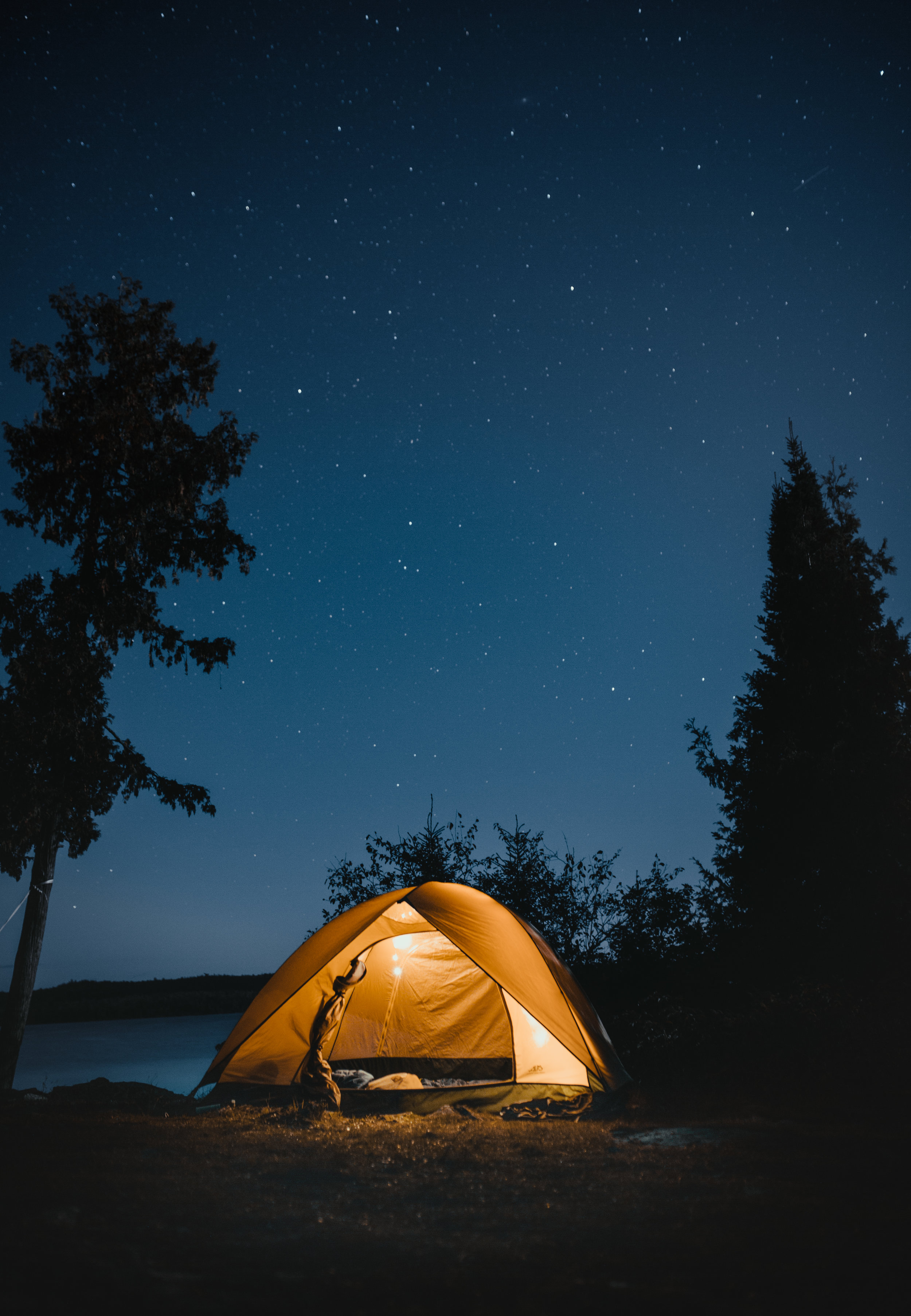
Sleeping outdoors benefits your body both mentally and physically.
Turns out scientists think sleeping outside is pretty great too. A slew of recent studies have found that sleeping under the stars has many health benefits, improving both short- and long-term well-being. So dig that sleeping bag out of the attic, find the nearest park or backyard, and borrow, beg or steal a tent: here’s five reasons you should sleep outside at least twice this year.
1. It resets your circadian rhythms.
A recent study from the University of Colorado Boulder found that even a single weekend outside can influence your circadian rhythm, shifting your sleep schedule to line up with natural light cycles. This helps you go to bed and wake up earlier, and even improves the way you wake up; the same study found that people who spent at least a weekend sleeping outside woke up more refreshed and tended to feel less tired throughout the morning after their outdoor experience. The natural morning light trains your system to wake up with the sun instead of an alarm, making for a far more pleasant early morning experience than the shrill of your bedside clock.
2. It gives your immune system a boost.
Spending just a few hours outside can strengthen your immune system. Studies show that just one day in a municipal park can increase immune system activity for a week or more; it works even better in a forest, like the ones that blanket the roots of the Cascade Range.
3. It helps your body and your brain function better.
Sleeping in the fresh air provides better quality oxygen than the stale, indoor air of a house. This means your brain works faster, your body feels better and your muscles break down lactic acid more efficiently. Your morning exercise session will be much more fun if you spend the night outside first!
4. It speeds up your metabolism.
A night outside increases the efficiency of your cells, which speeds up all of your systems—including your digestive system.
5. It’s good for your mental well-being.
A study in Environment and Behavior recently showed that spending time outside reduces stress and can lead to a more positive outlook on life. A night outside, with the stars and the dawn and the soothing rush of the wind, is certainly enough to lower your stress and bring you back to a happier perception of the world. People struggling with hardship or trauma can especially benefit from a night or two—or more—outside; a study from the University of Michigan found that one week of living and sleeping outside improved “psychological well-being, social functioning, and life outlook” in military veterans with PTSD.
Sources:
Journal of Environment and Behavior, “A Dose-Response Curve Describing the Relationship Between Urban Tree Cover Density and Self-Reported Stress Recovery”
Environmental Health and Preventative Medicine, “The physiological effects of Shinrin-yoku (taking in the forest atmosphere or forest bathing): evidence from field experiments in 24 forests across Japan”
npr.org, “Not Getting Enough Sleep? Camping in February Might Help”
Current Biology, “Entrainment of the Human Circadian Clock to the Natural Light-Dark Cycle”
https://sleepjunkies.com, “7 Amazing Things That Happen to You When You Sleep Outdoors”
healthline.com, “The Health Benefits of Sleeping Under the Stars”
treehugger.com, “Sleepy Office Syndrome”
Read more:

Bald Eagles, Salmon, and Winter Floods: The Annual Migration
Every year rafters on the Skagit and Nooksack Rivers host one of the largest concentrations of bald eagles in the contiguous United States.
Late January on the North Cascades Highway:
Winter sunlight drifts slowly down the mountainsides, pooling on the snow-edged eddies of the Skagit River. Huddled deep in my warmest jacket, I scan the riverside in breathless anticipation; for a moment all I see is the flashing red backs of salmon spawning over the gravel bars, churning into their own whitewater frenzy—then a pair of dark silhouettes swoop out of the forest. White heads bobbing above enormous seven-foot wingspans, they stoop quickly to the fish before retreating with their prizes to the nearby riverbank. My shout of excitement is lost in a cloud of ice crystals. Eagles!

Hundreds of eagles fly over the Washington area in the winter for their annual migration.
Every year the Skagit and Nooksack Rivers host one of the largest concentrations of bald eagles in the contiguous United States. After leaving their northern homes when the lakes and rivers begin to freeze over, these large raptors ride favorable wind patterns hundreds of miles south to take advantage of the Pacific Northwest’s chum and coho salmon runs, flying at an astonishing average of 30 miles per hour. The juveniles migrate before the adults, leaving their parents to follow along behind. Once they arrive, the eagles congregate on the Nooksack and Skagit just as thousands of salmon make their way upstream to their ancestral spawning grounds; the spawning salmon make an easy winter meal for the raptors. In a typical year over a thousand eagles migrate to the Upper Skagit alone. These rivers are a key wintering site for the migrating eagles as well as important spawning grounds for salmon. The eagle migration peaks in late December and early January, and the eagles are most active before 11 am.
Over the last thirty years the timing of the eagle migration has been slowly shifting, following the salmon runs as they edge about 0.45 days earlier in the season every year. The salmon runs now come before the first large winter flood instead of after; this decreases the amount of food available to the eagles as the flood sweeps away many of the salmon carcasses. A recent study in the Journal of Applied Ecology charted these trends using local eagle count numbers from the last three decades, finding a clear correlation between the timing of the salmon runs and the eagle migration but no clear explanation for the earlier salmon arrival.
A number of Eagle Watcher sites are set up along the Skagit during the peak of the eagle migration. Bring a hot drink and warm clothes to Howard Miller Steelhead Park, the Milepost 100 Rest Stop on Highway 20 or the Marblemount Fish Hatchery to use the spotting scopes, or grab your own pair of binoculars and check for eagles along one of the hikes from Howard Miller or the Fish Hatchery. Another great way to experience both the bald eagles and the salmon is from the river. Skagit River Eagle Tours runs trips right through the heart of the Skagit River Bald Eagle Natural Area, the best place in Washington to find bald eagles during the winter migration. This area is jointly managed by the Forest Service and the Department of Fish and Wildlife to conserve habitat, protect the eagles, and educate the public. The Skagit River Bald Eagle Interpretive Center in Rockport is a great place to stop before or after a river trip to learn more about the eagles, the salmon and the ecosystem that sustains them both; or try the Upper Skagit Bald Eagle Festival in Concrete on a January weekend for an equally good time. For less structured eagle watching but just as many eagles drive out Mt Baker Highway to the bridges over the Nooksack. There aren’t a lot of rest stops or interpretive centers, but the eagles love to perch in the old cottonwoods on the riverbank. Bring your camera, your friends, and your warmest clothes and take yourself on an adventure to experience the archetypal wildlife of the Pacific Northwest this winter.
Sources:
https://www.wta.org/news/signpost/hiking-guide-to-the-skagit-eagle-festival-1
Rubenstein MA, Christophersen R, Ransom JI. Trophic implications of a phenological paradigm shift: Bald eagles and salmon in a changing climate. J Appl Ecol. 2018;00:1–10.
https://www.fs.usda.gov/detail/mbs/landmanagement/resourcemanagement/?cid=fsbdev7_001646, “Skagit WSR-Abundant Wildlife”
Read more: